Why Beginners Should Start With a Single-Card Draw
Skip the overwhelming spreads. Here's why a single tarot card draw is the best way to actually learn tarot, and how to do it well.
It’s easy to see a beautiful ten-card Celtic Cross spread online and want to start there. It looks impressive, thorough, comprehensive — like it would actually answer your question properly. But for almost everyone learning tarot, starting with a large spread is the single biggest reason early practice feels overwhelming and gets abandoned within a few weeks.
A single-card draw is the better starting point, and not as a consolation prize for beginners. It’s the foundation that makes every larger spread easier to learn later.
This isn’t a rule unique to tarot, either. Almost any skill that involves working with a large, interconnected system — learning an instrument, a language, a craft — benefits from mastering individual components before combining them. Tarot is no different, even though the marketing imagery of elaborate spreads suggests otherwise.
Why Big Spreads Backfire Early On
A ten-card spread asks you to do two difficult things simultaneously: understand ten individual card meanings, and understand how they interact with each other based on position. For someone who hasn’t yet built a solid, intuitive grasp of even a handful of cards, this is genuinely too much information to process well.
The result is predictable — most beginners end up flipping through a guidebook for each of the ten positions, copying definitions without actually absorbing them, and walking away from the reading with information rather than insight. The spread looks thorough, but the learning that happens is shallow.
There’s also a quieter cost to starting too big: a confusing, overwhelming first few readings often lead people to conclude they’re “not good at tarot” or that the practice doesn’t work for them, when the real issue was simply starting several steps ahead of where their skill actually was. Many people who give up on tarot early would likely have stuck with it if they’d started smaller.
What a Single Card Actually Teaches You
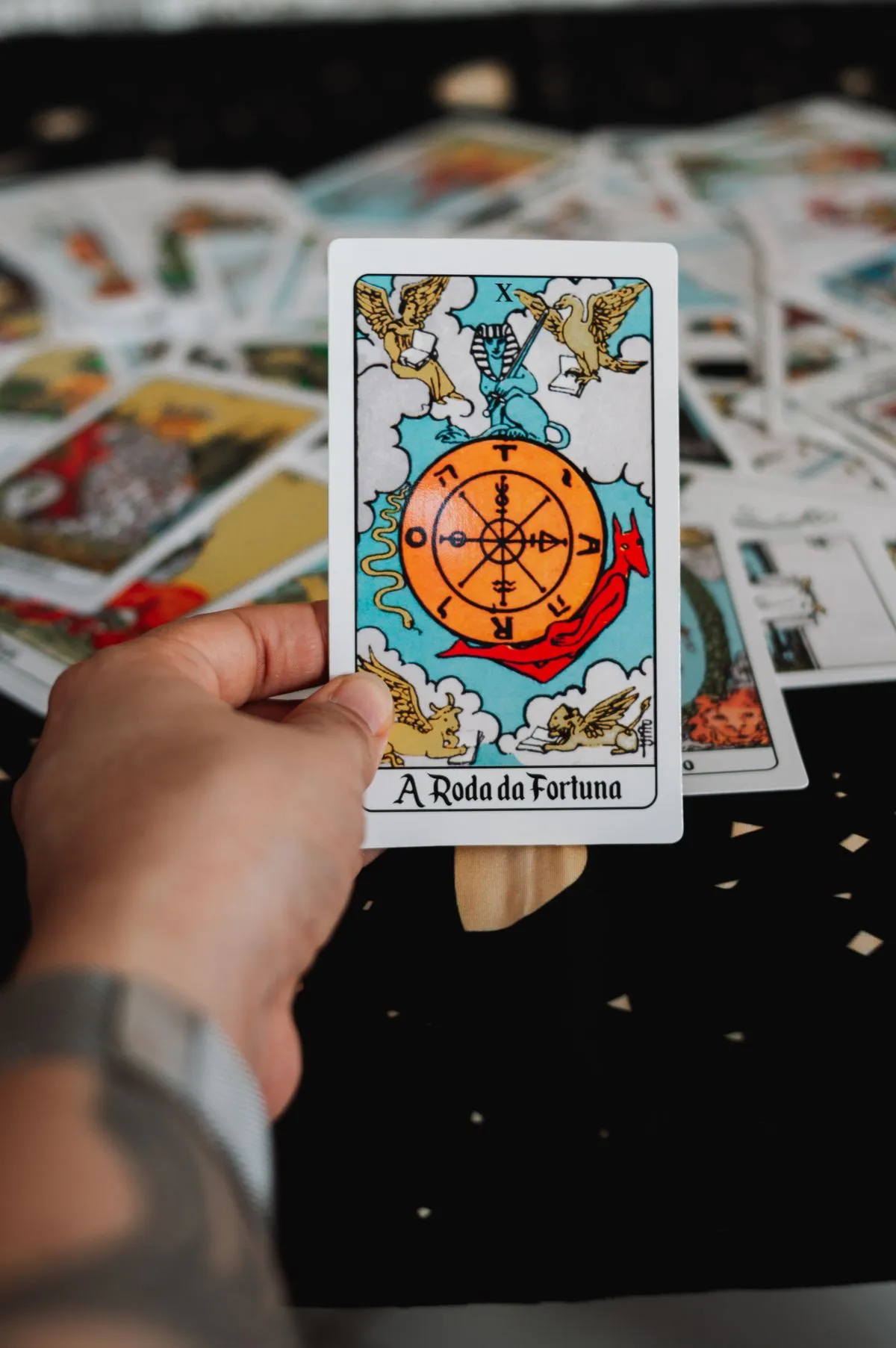
A daily single-card practice does something a large spread can’t: it lets you build a real relationship with each card individually, one at a time, without the noise of position and interaction to distract from it.
You Learn the Card’s Feeling, Not Just Its Definition
Guidebooks give you a card’s textbook meaning. Repeated single-card draws give you something guidebooks can’t: a sense of how a specific card feels when it shows up in your own life, on your own day, in your own context. That felt sense is what eventually makes reading intuitive rather than a memorization exercise.
You Build Pattern Recognition Gradually
Drawing one card a day means you’ll naturally encounter the same cards multiple times over weeks and months. Each repeat adds a new layer to your understanding of that card, since it appears in a different context each time. This is a far more durable way to learn 78 cards than trying to study them all at once from a book.
You Learn to Trust Your Own Read
Perhaps the most underrated benefit of single-card practice is psychological rather than informational: it builds confidence in your own interpretation before you’re ever asked to hold that confidence across ten simultaneous cards. Beginners who skip straight to spreads often never develop trust in their own instincts, since they’re too busy managing complexity to notice what their gut is telling them about any individual card.
How to Do a Single-Card Draw Well
- Pick a consistent time. Morning or evening both work — consistency matters more than which one you choose.
- Ask a simple, open question. “What should I pay attention to today?” works better than a narrow yes/no question, which single-card draws handle poorly.
- Shuffle with intention. Take a moment before drawing rather than shuffling absentmindedly while distracted.
- Sit with the image before checking a guidebook. Notice your own first impression of the card’s imagery before looking up its “official” meaning.
- Write down both interpretations. Your own gut read and the guidebook’s definition, side by side. Over time, you’ll notice your own reads increasingly line up with — or meaningfully diverge from — the traditional meaning.
A few journal prompts help deepen this practice beyond a bare one-line note: What’s the first image or detail your eye goes to on the card? Does the card’s mood match how you’re already feeling today, or does it contrast with it? If this card were giving you one piece of advice, what would it be? None of these require tarot expertise to answer — they simply ask you to look closely and respond honestly.
Building a Simple Daily Practice
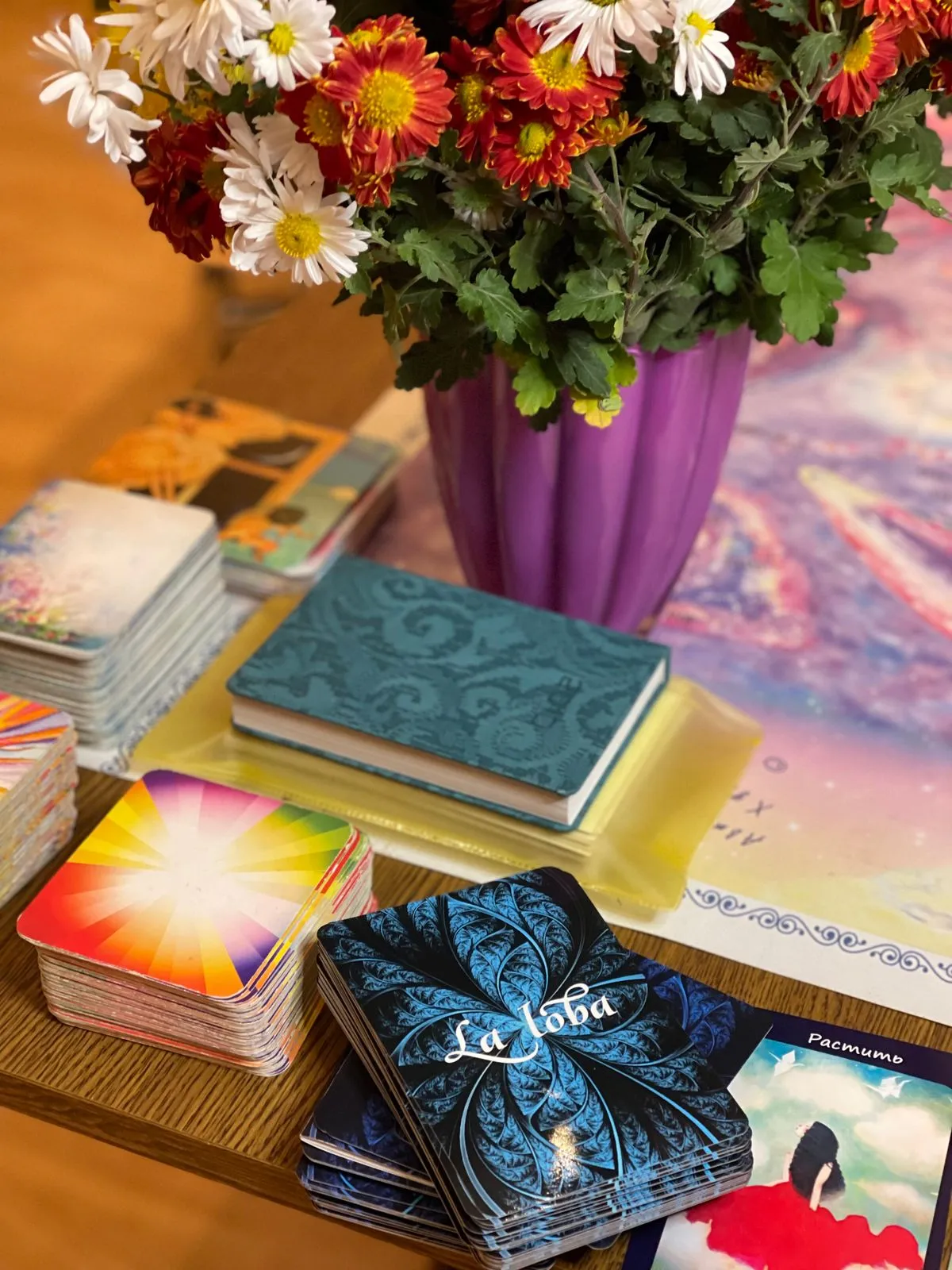
Consistency matters more than ritual complexity when you’re starting out. A few habits make a daily single-card practice sustainable rather than another well-intentioned routine that fades after a week:
- Keep the deck somewhere visible. A deck tucked away in a drawer gets forgotten; one sitting on a nightstand or desk gets used.
- Pair it with an existing habit. Morning coffee, evening wind-down — attaching the draw to something you already do daily makes it far more likely to stick.
- Don’t skip a “boring” card. Every card, even ones that feel unremarkable, contributes to your growing familiarity with the full deck.
- Review your notes monthly. This is also where a repeating card becomes visible — patterns that are invisible day to day often become obvious once you look back across several weeks at once.
- Forgive missed days without restarting from scratch. A missed morning or two doesn’t undo the practice you’ve already built. Treating consistency as an all-or-nothing streak is one of the more common reasons people abandon a daily habit unnecessarily.
- Resist the urge to draw a second card if the first feels “wrong.” Reshuffling until you get a card you like undermines the entire point of the practice — the discomfort of an unwelcome card is often exactly where the useful reflection lives.
When You’re Ready to Move Beyond a Single Card
There’s no rigid rule for when to graduate to spreads, but a few signs suggest you’re ready: you can name a card’s core meaning without checking a guidebook, you’re starting to notice cards’ relationships to each other even in a single draw (what this card usually “brings with it”), and you find yourself intuitively reading the day’s events back into the card you pulled that morning.
None of these signs need to be present for every card in the deck before you move on. Readiness tends to arrive gradually and unevenly — you might feel confident with the Major Arcana well before the court cards click, for instance, and that’s a completely normal way for the skill to develop.
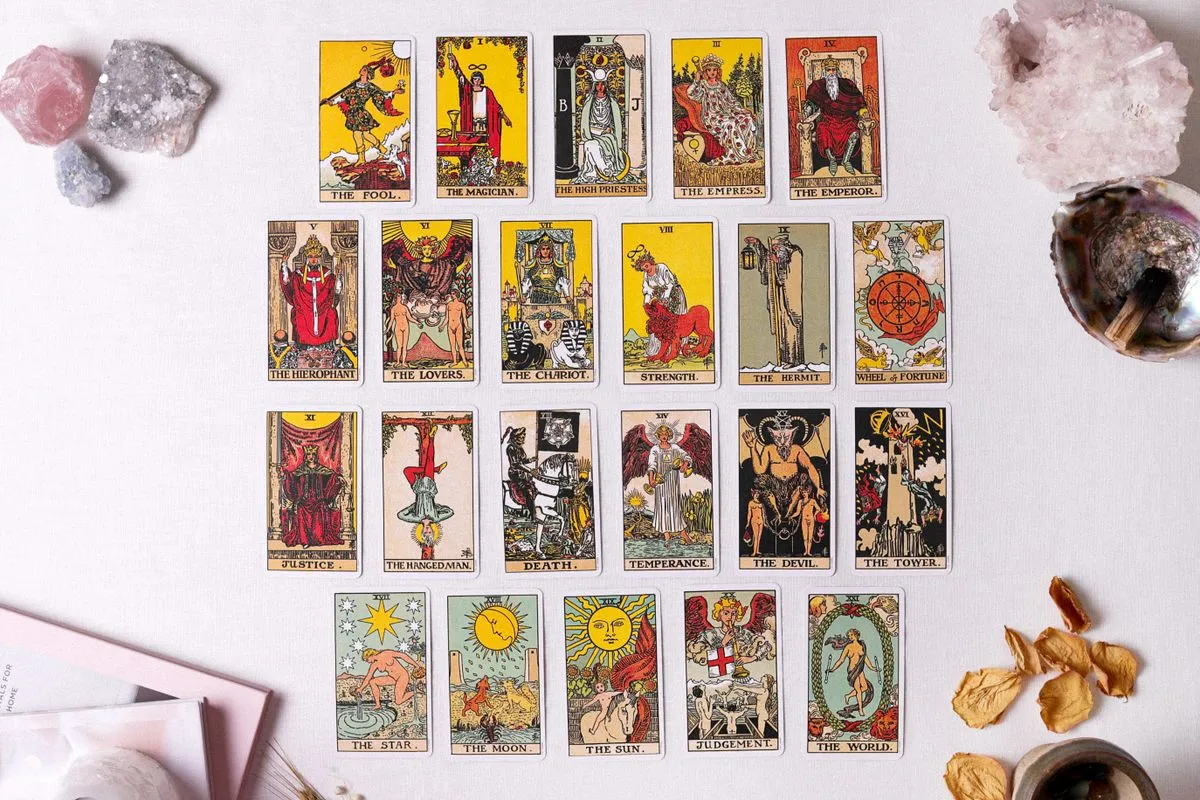
At that point, a simple three-card spread (often read as past, present, future, or situation, action, outcome) is a natural next step — still simple enough to hold in your head, but complex enough to start practicing how cards interact rather than standing alone.
Even after moving to spreads, it’s worth keeping the single-card practice alive alongside them, rather than replacing it entirely. Many experienced readers continue a daily single-card draw indefinitely, using spreads only for specific, larger questions as they arise — the two practices serve different purposes rather than one simply superseding the other.
Why This Approach Pays Off Later
The instinct to want a comprehensive spread from day one is understandable, but it optimizes for the wrong thing. A single-card practice trades the appearance of thoroughness for genuine, durable understanding — and that understanding is exactly what makes larger spreads legible once you do reach them.
Reading tarot well, in the end, isn’t about how many cards you can lay out at once. It’s about how clearly you can hear what any single card is saying — a skill that, once built, transfers directly to reading ten cards just as easily as one.
If you’ve already tried a large spread and found it confusing or unsatisfying, that’s not a sign the practice isn’t for you. It’s a sign worth going back to the beginning, in the most literal sense: one card, one question, one day at a time — and trusting that the rest will follow once that foundation is solid.
This same principle — small, consistent rituals compounding into something meaningful — shows up elsewhere too, like in placing rose quartz with real intention rather than expecting a single grand gesture to do all the work. And when an intense card like The Tower or Death does show up in your daily draw, a steady single-card practice is exactly what makes it easier to read calmly rather than react to.
For more on building a grounded tarot practice, visit the Tarot hub.
Frequently Asked Questions
How long should I stick with single-card draws before trying a spread?
There's no fixed timeline, but most people benefit from at least a few weeks to a couple of months of daily single-card practice before moving to even a simple three-card spread. The right marker is confidence, not a calendar date.
Should I use a guidebook, or try to interpret the card on my own first?
Try your own interpretation first, even if it feels uncertain, then check the guidebook afterward. This builds your own intuitive connection to the imagery rather than training you to only recall book definitions.
What if I pull the same card two days in a row?
With a single-card daily practice, this happens more often than people expect and usually isn't significant on its own — treat it as worth noting only if it becomes a longer pattern over weeks, not two consecutive days.
Is it better to draw in the morning or at night?
Both work well for different purposes. A morning draw sets an intention or theme to watch for during the day; an evening draw is better for reflecting on a day that's already happened. Neither is more correct than the other.
Do I need a special deck to start, or can I use any tarot deck?
Any standard 78-card deck works fine to start. The Rider-Waite-Smith deck (or a close variant) is commonly recommended for beginners simply because its imagery is the most widely referenced in guidebooks and other tarot content, making early interpretation easier.